PCS CEO Mark Hill made a specific prediction in a recent conversation with Transport Topics’ RoadSigns podcast: by 2027, dispatchers won’t just have better tools. They’ll run close to double the freight, without doubling headcount. Not a someday claim, instead a bet based on what’s already shifting in dispatch today.
The math has been broken for a while.
Right now, dispatcher capacity is the ceiling on growth for a lot of fleets. Add 20 trucks, add a dispatcher. Add 40, add two. The relationship is close to linear, because most dispatch work is still manual: booking loads, chasing check calls, re-keying the same information into three systems before lunch. That model doesn’t scale. It just gets more expensive.
AI isn’t replacing the dispatcher. It’s replacing the parts of the job that shouldn’t need a person.
Hill draws a sharp line between two kinds of technology getting called “AI” in trucking right now. Most of it is procedural automation — fast, but it just executes steps a human already mapped out.
What he’s describing for 2027 is different: a system that reasons through a load, flags what needs attention, and hands the dispatcher a shorter, sharper list of decisions instead of a longer one. The dispatcher isn’t doing less work. They’re expanding their time to focus on more strategic work.
That’s the distinction that matters. A dispatcher managing 80 trucks by monitoring exceptions and stepping in on judgment calls isn’t doing an easier job than one manually booking 40. They’re doing a harder one, just less of the version that burns people out and doesn’t require experience to do.
This is already showing up inside PCS TMS.
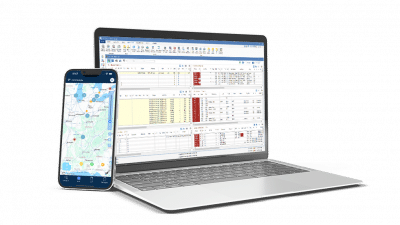
Cortex AI, the AI built into PCS Carrier TMS, is built around this exact shift — surfacing the loads, delays, and backhaul opportunities a dispatcher would catch anyway if they had the bandwidth, so the time they do have goes toward the calls only a person can make: which customer relationship is worth protecting, which load is actually worth taking. The dispatcher still makes the call. The system just makes sure they’re not spending their morning finding the call to make.
The carriers that get ahead by 2027 won’t be the ones who cut dispatch headcount.
They’ll be the ones who let their dispatchers stop doing data entry and start doing the job dispatch was always supposed to be — reading the freight, reading the customer, and knowing when to break the rules the system just gave them. The technology is getting there faster than most operations are ready for it. The fleets that treat that as an opportunity, not a threat, are the ones who’ll actually see the 2X gains.
Read the full guide on what separates carriers who’ll thrive in 2027 from the ones playing catch-up.
Ready to See What Cortex AI Can Do for Your Fleet?
Request a Demo
Related Guide