
What a TMS Really Does for Your Shipping Operation
Centralize shipment planning, carrier management, and freight payment in a single platform to reduce transportation costs and improve delivery performance.
How a TMS Works for Shippers
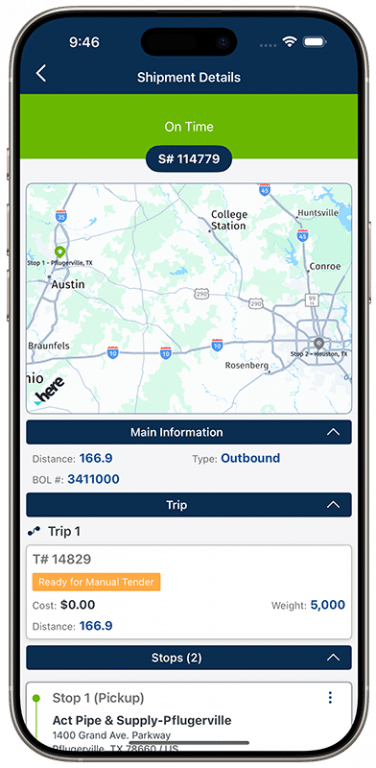
A transportation management system centralizes order entry, carrier selection, route optimization, shipment tracking, and freight payment into a single platform. PCS TMS connects your ERP, carriers, drivers, and warehouses through API, EDI, and mobile integrations, replacing spreadsheets and manual processes with automated workflows.
With over 20 years of logistics software development, PCS TMS handles private fleet operations, dedicated contracts, and spot market freight from order creation through final invoice reconciliation.
Inbound Logistics’ 2026 Top 100
Logistics & Supply Chain Technology Providers

Front Runners 2025
"Top Transportation Management Systems"

Capterra Shortlist
for Fleet Management

See Order-to-Invoice Automation in Action
Watch a 3-minute overview of order consolidation, automated carrier tendering, real-time tracking, and freight audit workflows.

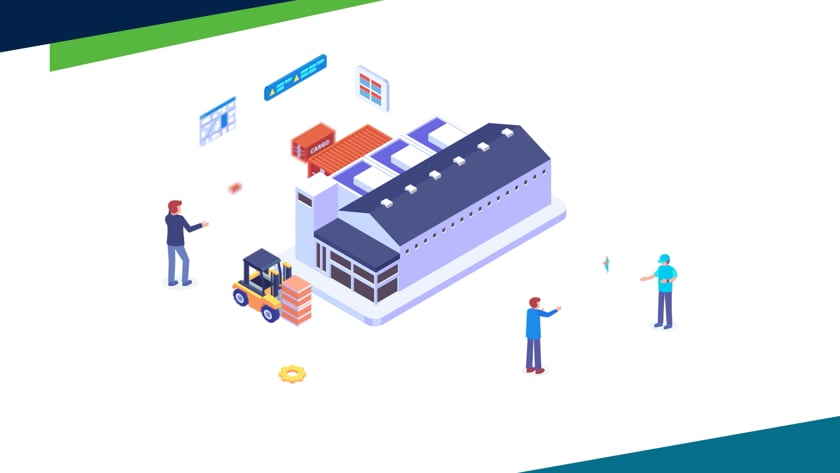
Core workflows demonstrated:
- Consolidate orders into optimized shipments based on delivery windows and routing constraints.
- Automatically tender loads to your lowest-cost available carrier (private fleet, dedicated, or spot market).
- Track shipment location, estimated arrival time, and on-time performance across all modes.
- Match carrier invoices against contracted rates and automatically flag discrepancies.
- Generate custom reports on transportation spend, carrier performance, and service levels.
How Shippers Reduce Transportation Costs
Replace manual freight management processes with automated workflows that scale with your shipping volume.
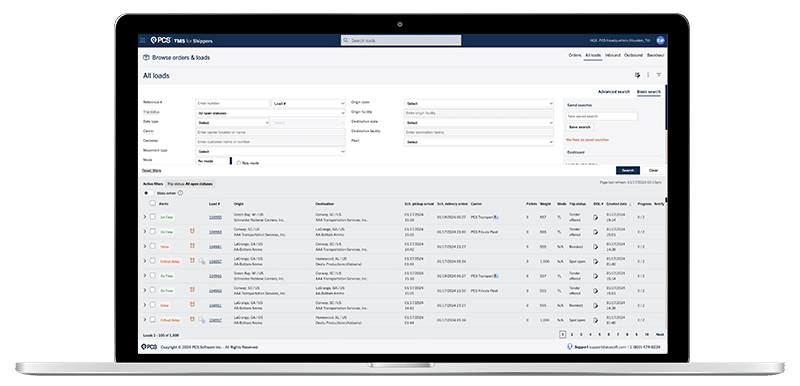
- Managing LTL, FTL, and Intermodal Freight in One System
Manage inbound and outbound shipments across LTL, FTL, intermodal, and parcel carriers from a unified interface. Route shipments based on cost, service level, and capacity constraints while maintaining visibility across your entire freight network. - What Processes Can a TMS Automate?
Automate carrier rate comparison, load tendering, appointment scheduling, tracking updates, exception alerts, and invoice matching. Reduce manual data entry by 70-80% through direct connections with carriers, warehouses, and ERPs. - What Systems Does TMS Connect To?
Connect to your existing technology through REST API, EDI (204, 214, 210, 990), mobile apps for drivers, and in-cab telematics systems. Pre-built integrations available for major ERPs including SAP, Oracle, Microsoft Dynamics, and NetSuite. - Transportation Spend Analytics and Carrier Performance Reports
Access pre-built dashboards for transportation spend analysis, carrier scorecards, on-time delivery rates, and cost per shipment. Export raw data for custom analysis or connect to your business intelligence platform via API. - Mobile Access for Drivers and Dispatchers
Cloud-based system accessible from any device with automated push notifications for load status changes, carrier acceptance, and delivery exceptions. Mobile app provides driver communication, proof of delivery capture, and real-time location updates. - Customizing TMS to Your Workflows
Customize user permissions, approval workflows, rating logic, and dashboard views to match your operational processes. Configure rules for automatic carrier selection, load consolidation thresholds, and exception handling without developer involvement.
Talk to our transportation professionals.
Cloud-Based TMS Implementation and Security
PCS TMS runs on cloud infrastructure with an average implementation time of 3-4 months from contract signature to production launch. No on-premise servers or IT infrastructure required.
- TMS implementation
Standard implementation timeline: 3-4 months, including data migration, user training, and integration testing. Phased rollout available to test with a subset of carriers or lanes before full deployment. - Software updates and new features
Automatic quarterly updates with new features, carrier integrations, and regulatory compliance changes. No downtime required for updates. All customers receive updates simultaneously with no version fragmentation. - Security certifications and data protection
SOC 2 Type II certified infrastructure with data encryption in transit and at rest. Role-based access controls, multi-factor authentication, and audit logging are standard on all accounts. Annual third-party security audits.
Shippers using PCS TMS

Onboarding that actually goes smoothly
Wastequip got up and running without the usual delays, confusion, or heavy lift on their team.
PCS keeps onboarding clear, structured, and supported so your team can adopt fast and keep freight moving from day one.
TMS Integration Capabilities
PCS TMS connects to your ERP, WMS, carrier systems, and procurement platforms through API and EDI. Eliminate duplicate data entry and maintain a single source of truth for shipment information across your supply chain technology stack.
Supported integration types:
- ERP systems (SAP, Oracle, Microsoft Dynamics, NetSuite, Sage)
- Warehouse management systems
- Carrier TMS and tracking systems
- Load boards and freight marketplaces
- Telematics and fleet management platforms
- Customs and trade compliance software
Frequently Asked Questions
Ready to unlock smoother shipping and smarter decisions?
Dive into the power of PCS TMS for Shippers with a personalized demo. See how our Transportation Management System simplifies workflows, boosts visibility, and drives cost savings – all in one intuitive solution.
- Witness the magic: Experience AI-powered optimization, real-time tracking, and automated quote management in action.
- Tailored insights: Get a personalized demo showcasing how PCS TMS meets your specific shipping needs and challenges.
- Expert guidance: Our dedicated team will answer your questions and guide you towards logistics bliss.
Take control of your supply chain and unlock new efficiencies. Request your free demo today!